
Your customers are already asking an AI assistant who to call
I hear it on sales calls now. An owner tells me a new patient or a new homeowner said they asked ChatGPT, the AI chat assistant made by OpenAI, which company to use. It is showing up in intake notes. It is showing up in the "how did you hear about us" field.
Up to now there was nothing to buy there. That is changing fast.
What OpenAI actually shipped
According to MarTech, a marketing trade publication, OpenAI is adding product carousels to ChatGPT ads, and an integration with AppsFlyer, a mobile app measurement company, now lets advertisers attribute app installs, purchases and subscriptions to those ads.
The carousel shows multiple products in an ad at the bottom of a ChatGPT conversation. Before this, ChatGPT ads largely featured one product. The format runs off product feeds, meaning a data file of your catalog, that OpenAI introduced about three months ago. Retailers hand over their catalogs and OpenAI builds either a single product ad or a carousel from them.
One detail worth sitting with: advertisers do not pick the format. OpenAI decides whether to show one product or a carousel, which gives the platform control over how products are presented. Each carousel currently contains products from one retailer.
On the measurement side, roughly 40 brands, including Grubhub, the food delivery company, are testing the AppsFlyer setup. App marketers can now fold ChatGPT into the reports they already run and compare its attributed conversions against other paid channels. OpenAI is also reportedly giving advertisers more guidance on feed based campaigns ahead of Q4 and the holiday shopping season.
My take: the math is going to look exactly like Google and Meta
Here is what I think, and I will say it plainly. The core math of ChatGPT ads is going to be the same math as Google Ads and Meta ads. Not similar in spirit. The same.
You need a reputation strong enough that a paid click turns into a booked job. And you need retention and customer lifetime value, meaning the total profit one customer produces over the years they stay with you, high enough that the cost to acquire that customer is worth paying. That is the whole equation. It was the equation in 2015 on Google. It was the equation when Meta ads got cheap and then got expensive. It will be the equation here.
I also think OpenAI is going to copy Google and Meta almost line for line on the account side. Feeds, automated placement decisions, third party conversion tracking. Read that list again. You have seen every one of those pieces before. MarTech makes the same point: those additions give ChatGPT the basic infrastructure for performance advertising.
So the platform is new. The homework is not.
Why your reviews are the real ad setting
When someone clicks a paid result, they do one thing next. They check whether you are real and whether other people trust you. On Google that means your reviews, your photos, your answered calls. In an AI conversation it is going to mean the same signals, just summarized by a machine before the person ever lands on your site.
This is where most local businesses lose money on paid ads, and it has nothing to do with the ad platform. Across more than 3.2 million dollars in managed ad spend and more than 38,000 leads generated, the accounts that struggle usually have the same problem. The traffic is fine. The trust is thin. Twenty two reviews, three of them recent, no answers to the bad ones, a website that looks like it was built once and never touched.
An ad platform will happily sell you clicks against a weak reputation. It will not fix it. If you want ChatGPT traffic to convert when it arrives, the work is public trust: review volume, recency, how you respond, and whether your pages say the same thing your customers say about you.
Why LTV decides whether you can afford the click
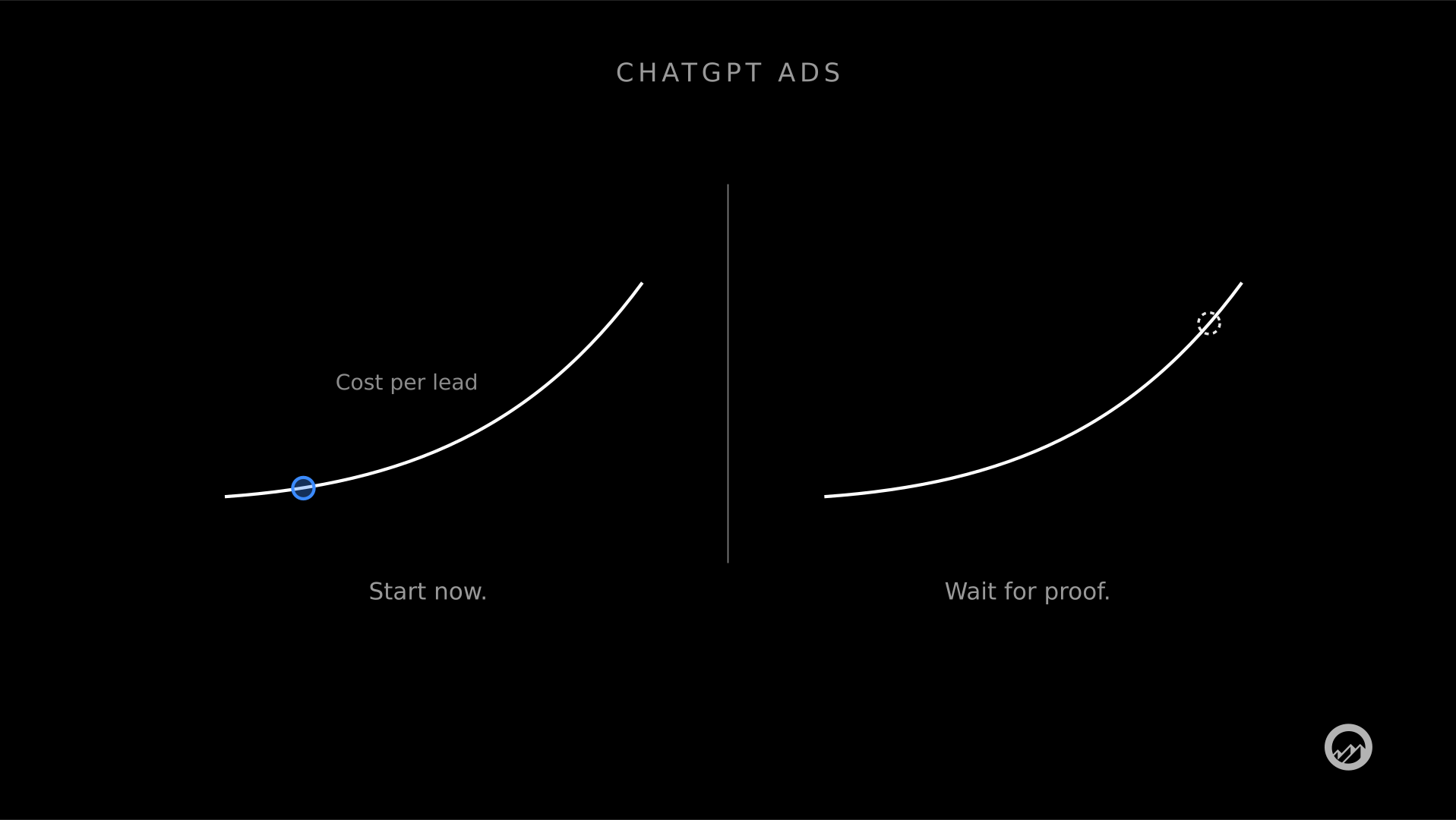
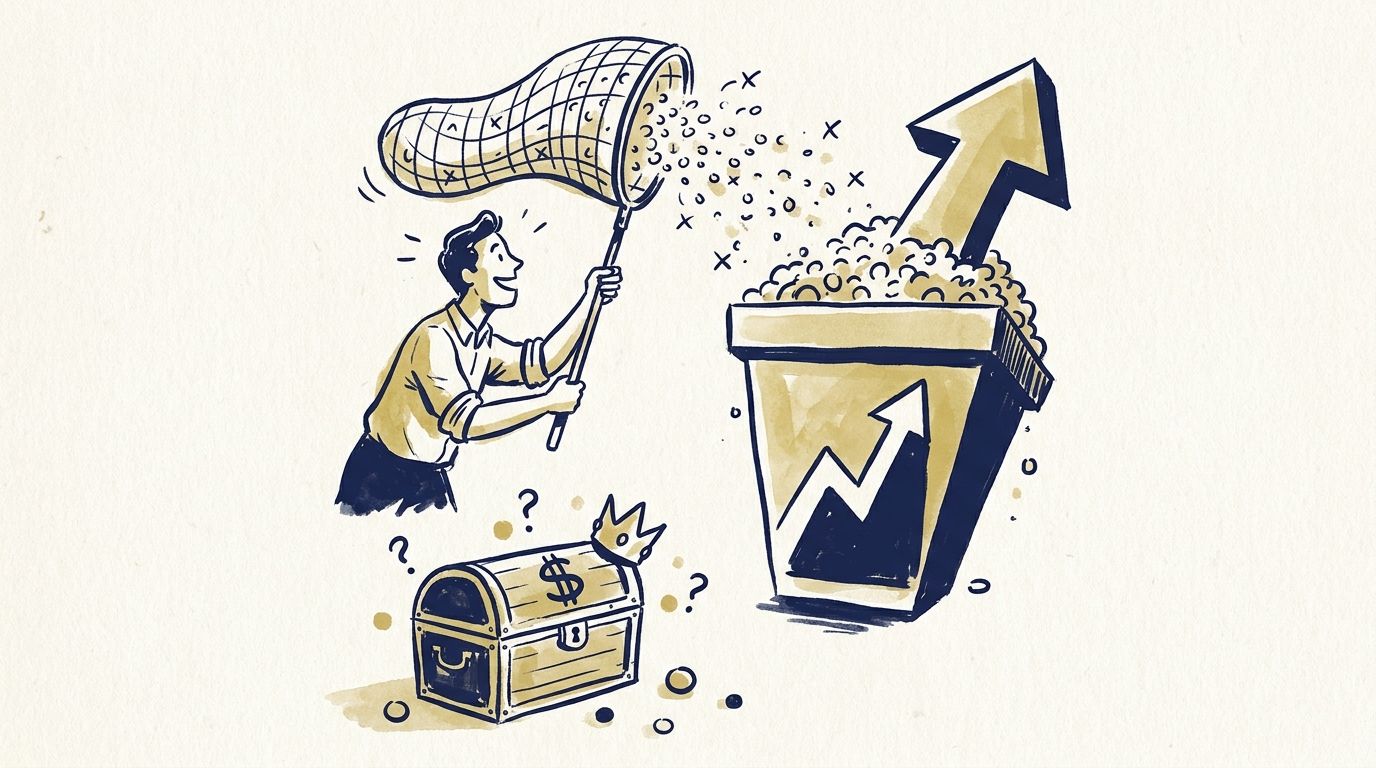
The second half of the math is the part owners skip. Cost per lead only means something next to what a customer is worth.
We have a client running new patient leads at 1.23 dollars each on Meta. That number is fun to say out loud, and it only matters because those patients stay and come back. If they churned after one visit, cheap leads would still be a bad business.
Flip it. A high cost per lead can be a bargain when a client sticks around for years or refers two more. So before you worry about a new channel, get honest about three numbers: what a customer is worth in the first year, what they are worth over their life with you, and how many you lose and why. Whoever knows those numbers can afford to bid on any platform. Whoever does not is guessing, and new platforms punish guessing.
What is genuinely new, and what is still unknown
I do not want to shrug this news off. Conversion tracking is what turns an experiment into a budget line. Until an advertiser can see conversions next to their other channels, spend stays small. That has now started for app marketers.
But two things are open. Control is one: because OpenAI chooses the format, advertisers need to know what drives that decision and what levers they will get. Scale is the other. Better formats and attribution make ChatGPT easier to test, and they do not show whether it can deliver enough conversions at competitive costs to earn sustained spending. The AppsFlyer integration also does not measure incrementality, meaning it cannot tell you whether those sales would have happened anyway.
Also worth being clear headed: what shipped here is built for retail catalogs and app installs. Nobody is running a plumbing company's service area or a dental practice's new patient offer through a product feed today. That is coming. It is not here yet.
What I would actually do this week
Nothing in your ad account. Everything in your fundamentals.
Pull your review count and your last review date for every location, then set a real process to ask every happy customer, this week, not someday. Answer every review from the last year, including the ugly ones, because that reply is read by humans and by AI assistants summarizing you.
Then sit down with your numbers. Work out first year value per customer and lifetime value per customer, even roughly. Find out how many customers you lose in year one and ask your front desk or dispatcher why. A one point improvement in retention buys you more bidding room than any clever campaign setting.
Last, check what an AI assistant says when asked for the best provider in your city. Not to game it. To see whether the story it tells about you matches the story you would tell. If your name does not come up at all, that is a reputation gap, and it is fixable with the same work above.
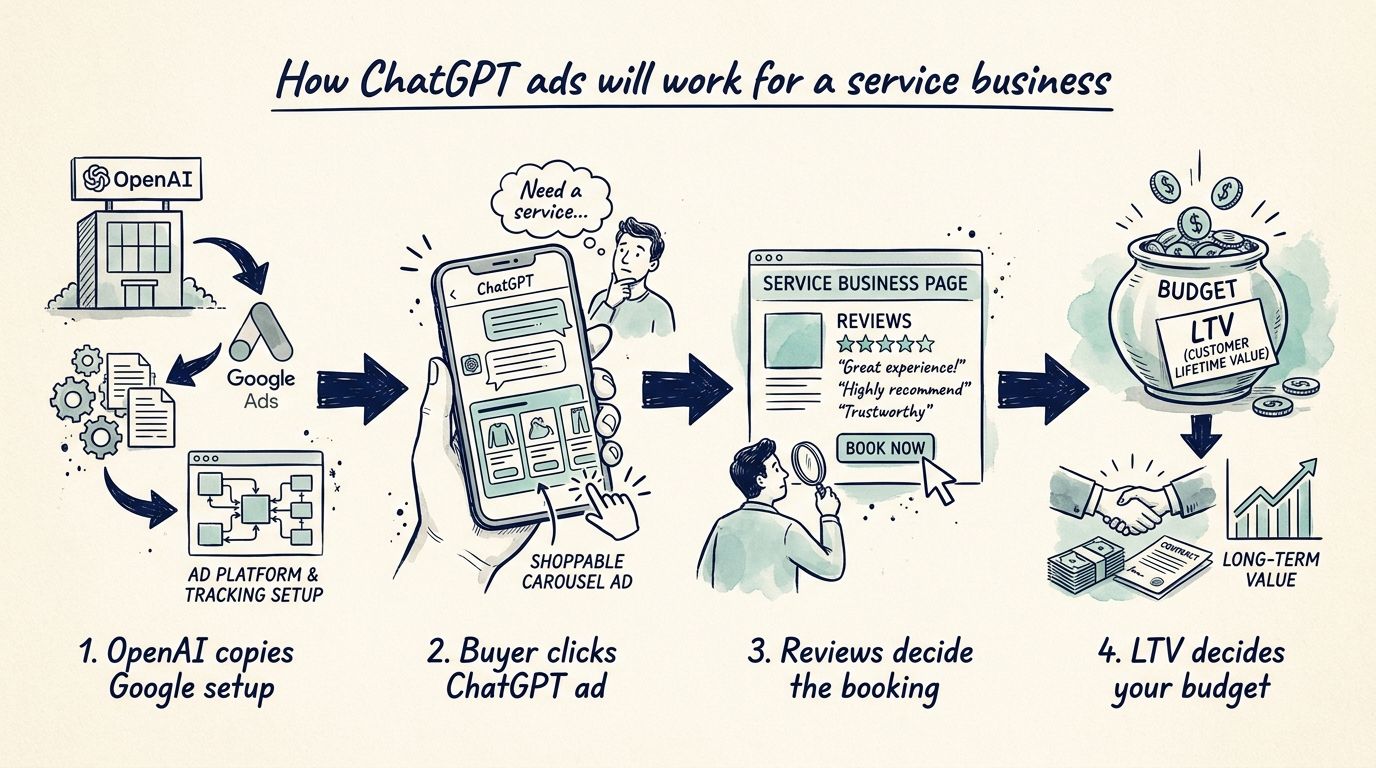
How ChatGPT ads will work for a service business
OpenAI copies Google setup → Buyer clicks ChatGPT ad → Reviews decide the booking → LTV decides your budget
Final Thoughts
OpenAI has now built feeds, automated ad presentation and third party attribution in a matter of months. The ad account will be familiar when it opens up to service businesses, because it is being modeled on the platforms you already use. What will decide your results is what already decides them on Google and Meta: whether strangers trust you enough to call, and whether the customers you win stay long enough to pay for the ones you bought.
If you want a second set of eyes on your cost per lead and what a customer is actually worth to you, book a call with us. We have been doing this for over 10 years as a Google and Meta Partner, and that conversation is useful whether or not ChatGPT ever sends you a single click.