The #1 Digital Marketing Mistake Most Businesses Make
We work with businesses across the board — healthcare, industrial markets, lawyers, online coaches, consultants, brick-and-mortar shops, course creators, and e-commerce brands. Across every industry, one mistake comes up again and again.
Businesses think they need to do a little bit of everything.
They want SEO. They want organic social media. They want Facebook Ads and Google Ads. They want a full 360-degree marketing approach. And honestly? It sounds logical. It's what a lot of marketing agencies recommend. It's what common sense might tell you.
But it's one of the worst things you can do.
Why the "Do Everything" Approach Fails
The only thing that matters in digital marketing is your return on investment (ROI).
In almost any situation, for almost any business, it's one or two channels that are generating the ROI — not five. The other channels are dead weight. They're consuming budget, time, and attention without delivering results.
The right move is to:
- Identify the one or two channels actually driving ROI
- Turn off everything else
- Scale up what's working
This is true for roughly 95% of businesses. The only exception? Large-scale businesses operating nationally or internationally at eight-figure revenues, where diversifying revenue streams adds robustness and valuation. For a local business focused on growth, that's not the priority. Cash in versus cash out is.
Step One: Measure ROI for Every Channel
Here's the uncomfortable truth — most businesses have no idea what their marketing ROI actually is.
We recently spoke with a potential client running Google Ads. Around 70% of their leads came in over the phone. When we asked if they were recording those phone call conversions in Google Ads, the answer was no. They were spending significant budget on ads and not tracking the majority of their conversions.
This isn't unusual. It's the norm.
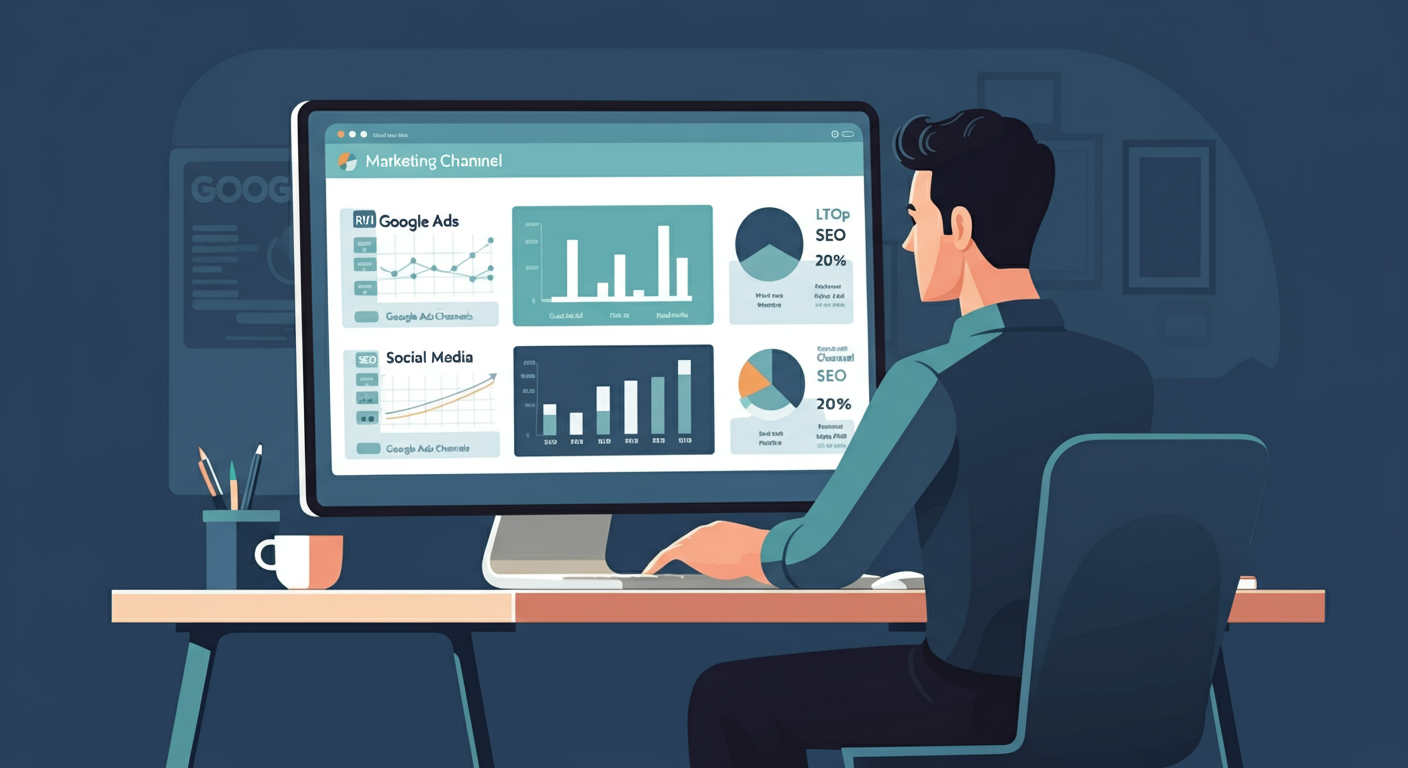
Most businesses have massive gaps in their conversion tracking. They're literally throwing money away without knowing what's working and what isn't. They keep checking boxes — SEO, organic social, Facebook Ads, Google Ads, maybe influencer marketing — without ever measuring the outcome.
The Only Two Numbers That Matter
As a business owner, there are really only two marketing numbers you need to track each month:
- Money invested in marketing
- New revenue generated directly from that marketing
Divide the second by the first. That's your ROI.
When we start working with a new client, that's always the first question: What's your current ROI? More often than not, they don't know. So the next step is figuring out how to track it — because without that number, you can't make a smart strategic decision.
Why We Focus on Google Ads and Facebook Ads
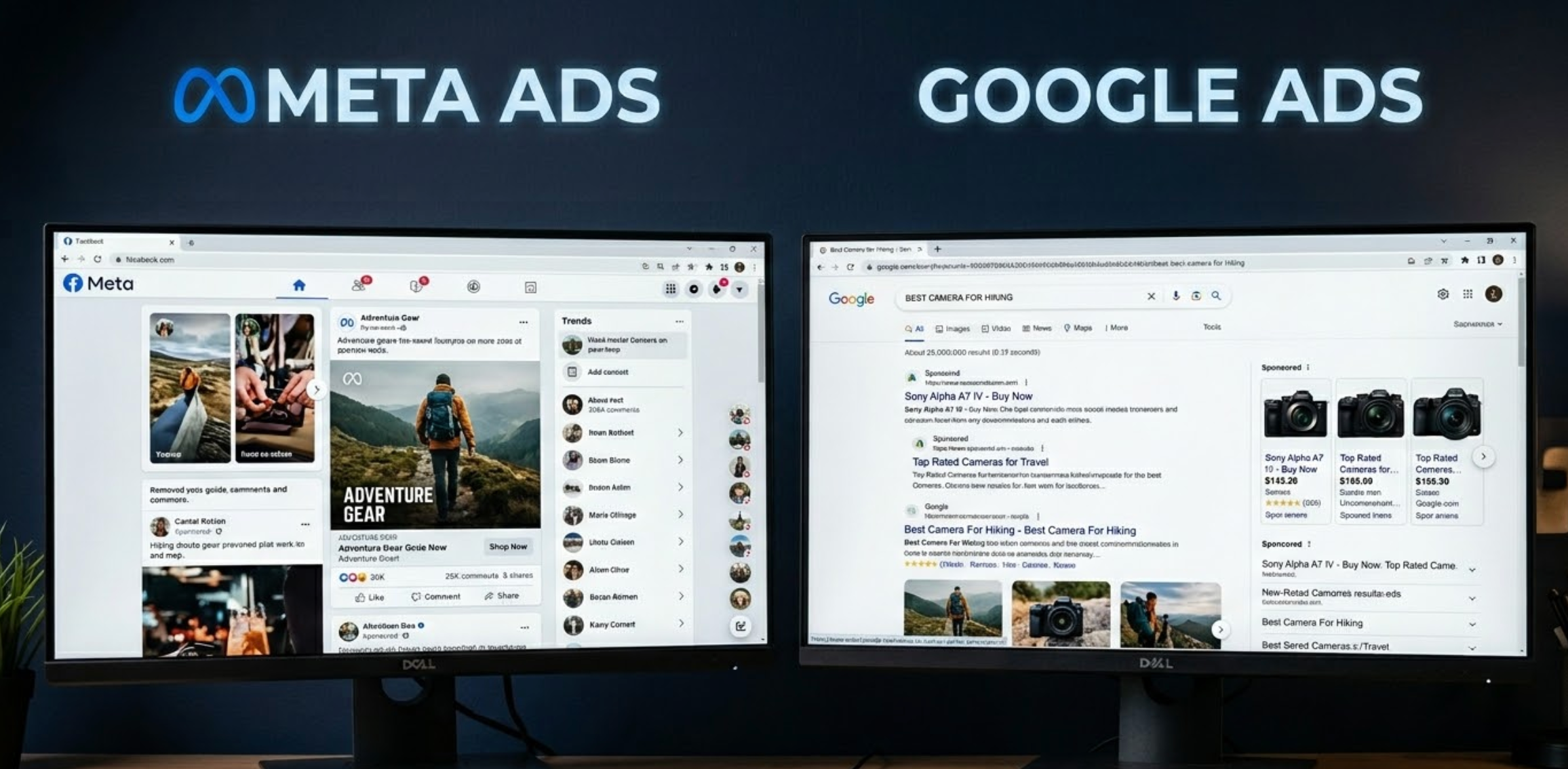
Our area of expertise is Google Ads and Facebook Ads, and there's a clear reason for that: they're the fastest and most measurable channels available.
Compare that to:
- SEO — can take six months or more to show results, and may never deliver
- Organic social media — same story; slow, unpredictable, and hard to attribute
With paid ads, within one week of launching a campaign, you know:
- How many dollars were spent
- How many impressions were generated
- How many clicks came through
- How many leads were captured
- How many of those leads converted into customers
Paid ads are the fastest, most trackable, and most scalable method for a small business to grow. They can shortcut years of organic effort.
A Real-World Example: The Boston Law Firm
Imagine a law firm specializing in debt collection litigation. To rank organically in Google in a competitive city, it could take years of SEO work.
But with one targeted Google Ad — built around that specific niche — they can be at the top of the search results within a week.
Here's the thing: most people searching for a lawyer don't distinguish between paid ads and organic results. They're in a hurry. They click the first result they see. Paid ads put you there immediately.
That's the power of paid advertising for small businesses.
The Bottom Line
If you're a small business owner looking to grow, stop spreading your budget across every marketing channel and hoping something sticks. Instead:
- Track your ROI for every channel you're currently running
- Identify the one or two that are actually delivering results
- Cut the rest and reinvest into what's working
- Scale up with paid ads for fast, measurable, attributable growth
The businesses that win at digital marketing aren't the ones doing the most — they're the ones doing the right things and measuring them obsessively.
Want to find out which marketing channels are actually driving ROI for your business? Schedule a free strategy call with the North Digital team.