If you run a service business, there is a good chance your Google Ads or Meta account is managed by whoever had a spare afternoon. Usually that is the office manager. They answer phones, handle scheduling, chase invoices, and somewhere between all of that they also run your ads.
A new article makes the case that this setup has a shelf life. I agree with the direction of the piece. I would push it a lot further.
What Entrepreneur is arguing
Entrepreneur, the business magazine, just published a piece arguing that in-house marketing only carries a business so far before its needs outgrow its capacity. The author points out that a single in-house marketing coordinator is essentially doing the job of seven people: project manager, copywriter, editor, graphic designer, web developer, digital strategist and social media manager. The proposed fix is to hand the technical work, things like SEO and copywriting, to an agency.
Fair enough as far as it goes. But the article treats the in-house person as a reasonable option until you outgrow them. On paid ads specifically, my take is harsher.
You have exactly two viable options
Office managers should not be running paid ads for any serious service business. That applies whether you spend $1,000 per month or $50,000 per month. The way I see it, you have two real choices.
Option one: hire a professional agency that is ROI focused and knows what it is doing. Option two: hire an exceptional in-house media buyer, meaning a person whose entire job is managing paid ad accounts and nothing else. What does not work is treating ads as one more task on a busy employee's list.
Easy to learn, hard to master, by design
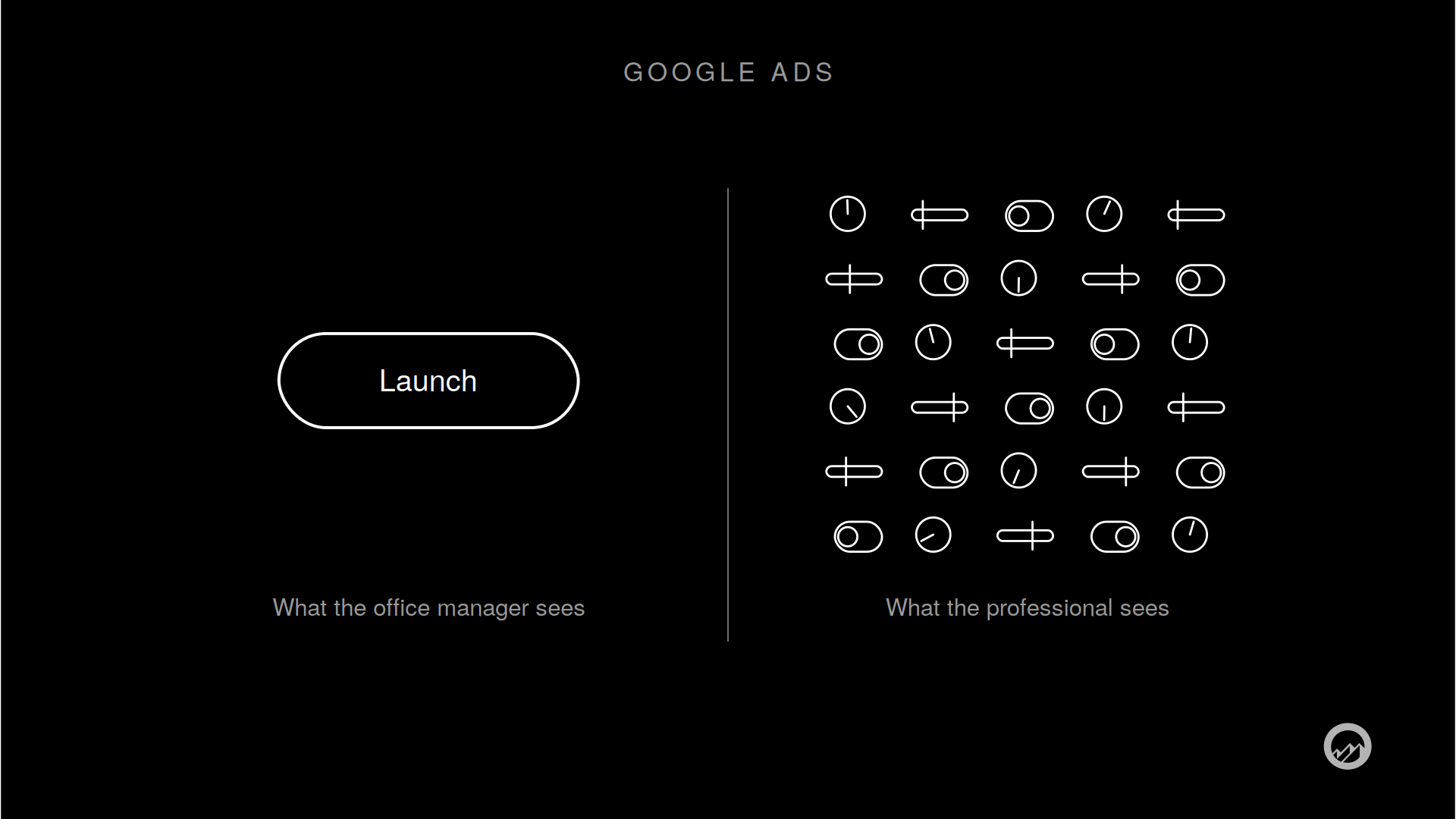
Here is why I hold that view. Ad platforms like Google and Meta are engineered so that anyone can launch a campaign. Your office manager sets one up and the platform cheers them on: good job, you have launched your first campaign, now wait for customers to arrive. That positive reinforcement is part of the product.
What the platform does not show them is the depth underneath. There are thousands of controls: targeting, ad copy, ad types, bidding, and the pace of change keeps increasing. Professionals know which pieces of the platforms' official advice to follow and which to ignore. They know what is working this month as opposed to six months ago. A part-time operator cannot keep up with that, because keeping up is a full-time job by itself.
Small edges, disproportionate results
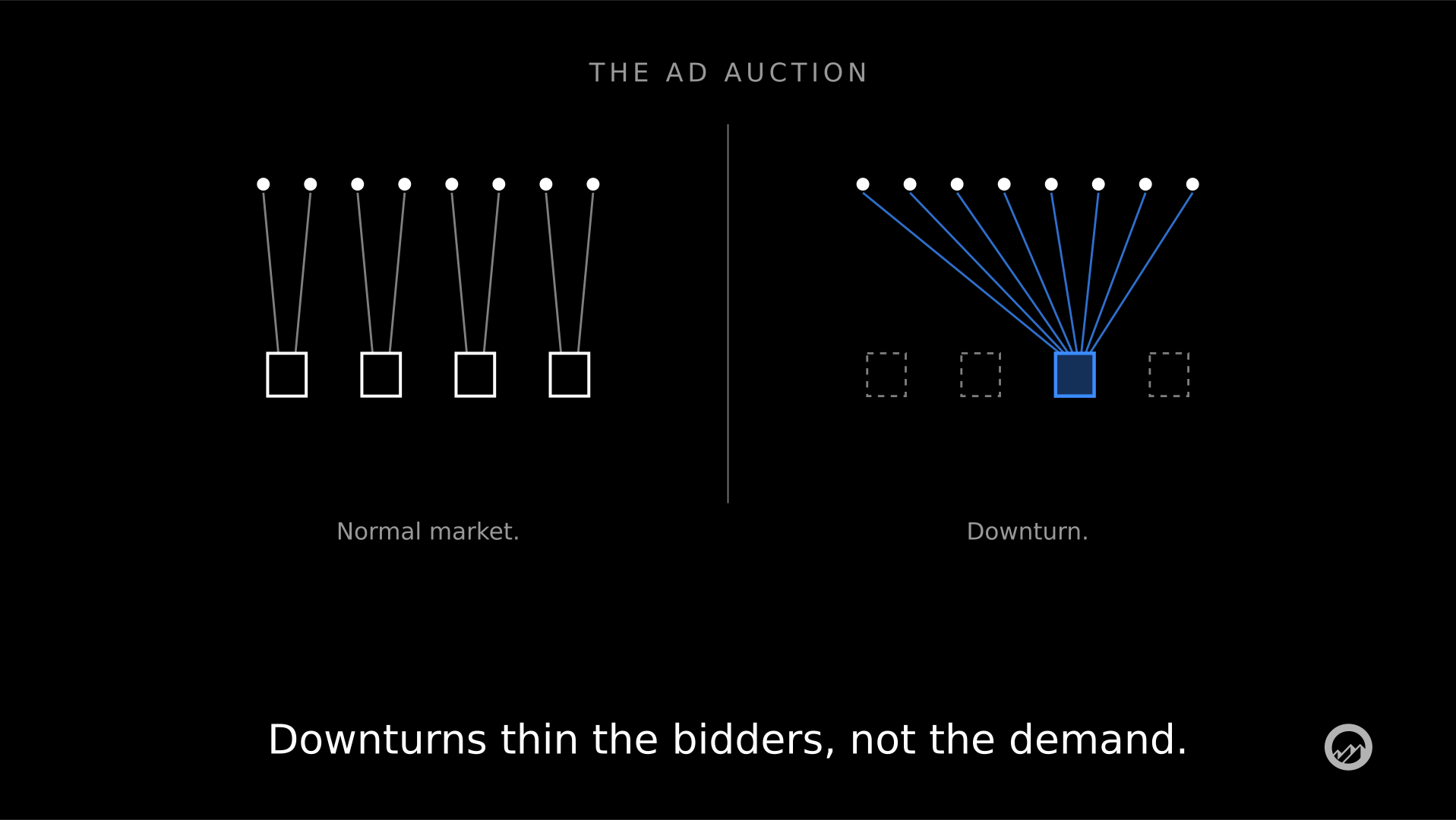
In my experience, competitive ad markets do not reward effort in a straight line. My bet in most local service categories is that the businesses running ads in the top 5% take something like 75% of the business. A slight edge in setup and management produces a disproportionate share of the leads, because you are bidding against everyone else in your market for the same searches.
So the question is never whether your office manager can get some results. They probably can. The question is how much you are leaving on the table against a competitor who hired a professional.
You don't know what you don't know
This is the part that worries me most for owners. An account run by a non-specialist often looks fine from the outside. Leads come in, the platform reports clicks, everyone assumes it is working.
Then a professional opens the account and finds attribution is broken, meaning nobody can say which ad produced which customer. There is no offline conversion tracking, meaning closed jobs and booked appointments are never fed back into the platform so it can find more people like your best customers. The landing pages, the pages people arrive at after clicking, were never built to convert. Fix those things and I expect many accounts could produce several times the results on the same budget. We have seen versions of this repeatedly at North Digital, as a Google and Meta Partner for over 10 years managing paid ads for service businesses.
Yes, I am biased, and it does not change the point
I own an agency, so of course I benefit if you hire one. I am not even saying that is what you need to do. A great in-house media buyer is a perfectly good answer if you can find and afford one. The only position I am taking is this: get a professional on your ads, and take them off the office manager's plate.
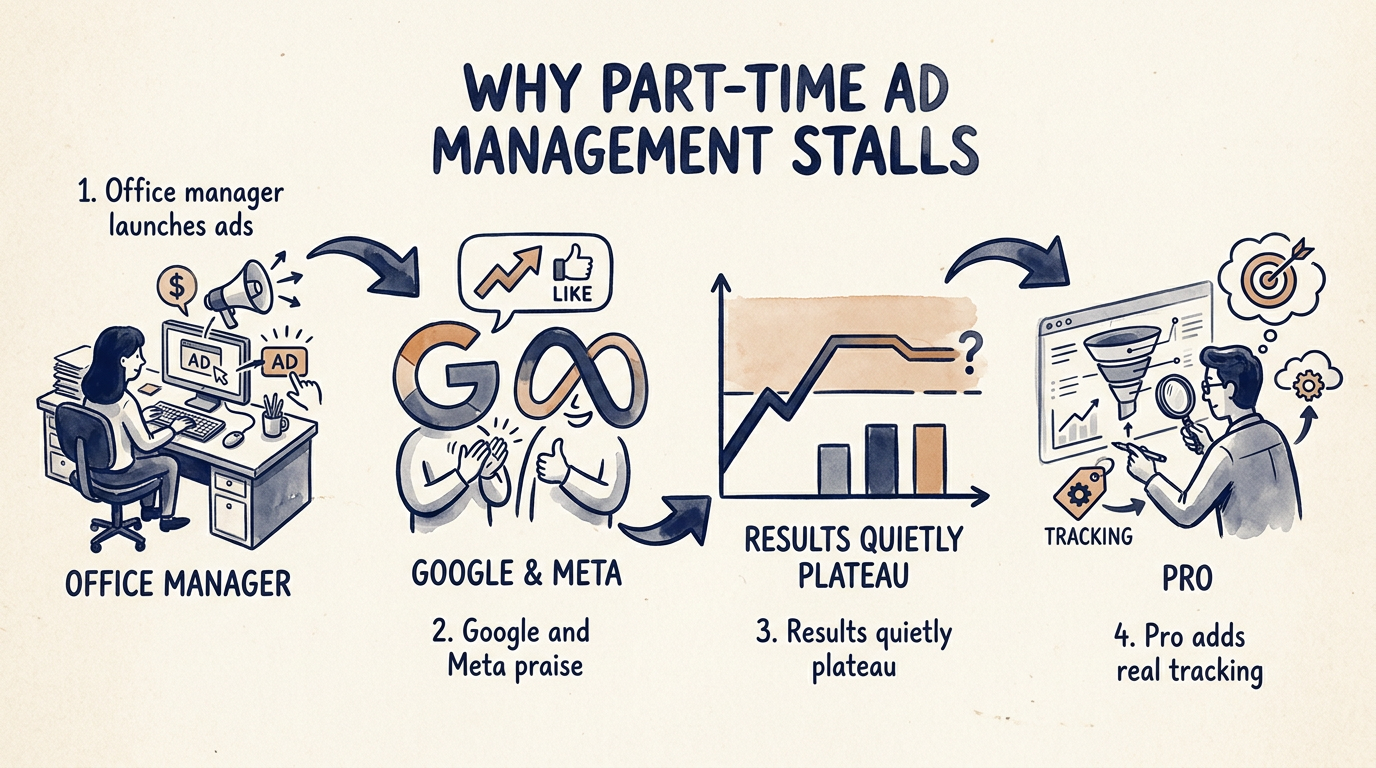
Why part-time ad management stalls
How to prepare your business
1. Find out who actually manages your ad accounts and how many hours per week they spend inside them.
2. Check whether your accounts track closed jobs and booked appointments, or only clicks and form fills.
3. Get a professional audit of your account before you spend another month's budget on the current setup.
If you want a straight answer on whether your account is set up properly, book a call with us and I will tell you what I see.