
Every Friday I'm going to write down what actually happened at North Digital that week. What we built, what worked, what I got wrong, and what I'm thinking about. Clients stay anonymous. This one covers Friday October 23 through Friday October 30.
What we shipped
The biggest build this week was a Google Ads launch for a software development company. Five campaigns, each with three ad groups pointed at specific service and integration pages. Phrase and exact match only. Universal and campaign-level exclusion lists so the campaigns don't bid against each other. Weekdays only, 7 AM to 7 PM. The ad copy includes a project minimum, so people with a small budget filter themselves out before they click.
We made one copy change I liked. The ads originally led with the company's home city. For a business that sells nationally, that's a reason for someone in another state to scroll past. We swapped it for a proof point about how many apps they've shipped. Same character count, much wider appeal.
We also set up a dedicated Slack channel so every new Google Ads lead pings the team the moment it lands in the CRM, and we approved a small defensive branded campaign so competitors bidding on the client's name don't get the top spot for free.
Behind the scenes, we started moving our clients' landing pages onto Vercel. It's not glamorous, but faster pages and one place to manage them makes every campaign easier to run.
Wins
A dental account we rebuilt from scratch the week before came in at a $51 cost per lead. Another dental account had its best cost per lead in four months. A third saw its cost per conversion drop from over $170 to $73 in October, mostly because lead volume went up.
That third one taught us something. The person managing it stopped piling on negative keywords and let a slightly wider set of search terms through, and lead volume went up. Exclusions matter, but they're a scalpel, not a wall.
On our own marketing, the lead magnet funnel we're testing on a small ad budget booked two prospect calls in one day. Early, but it's working.
What I learned
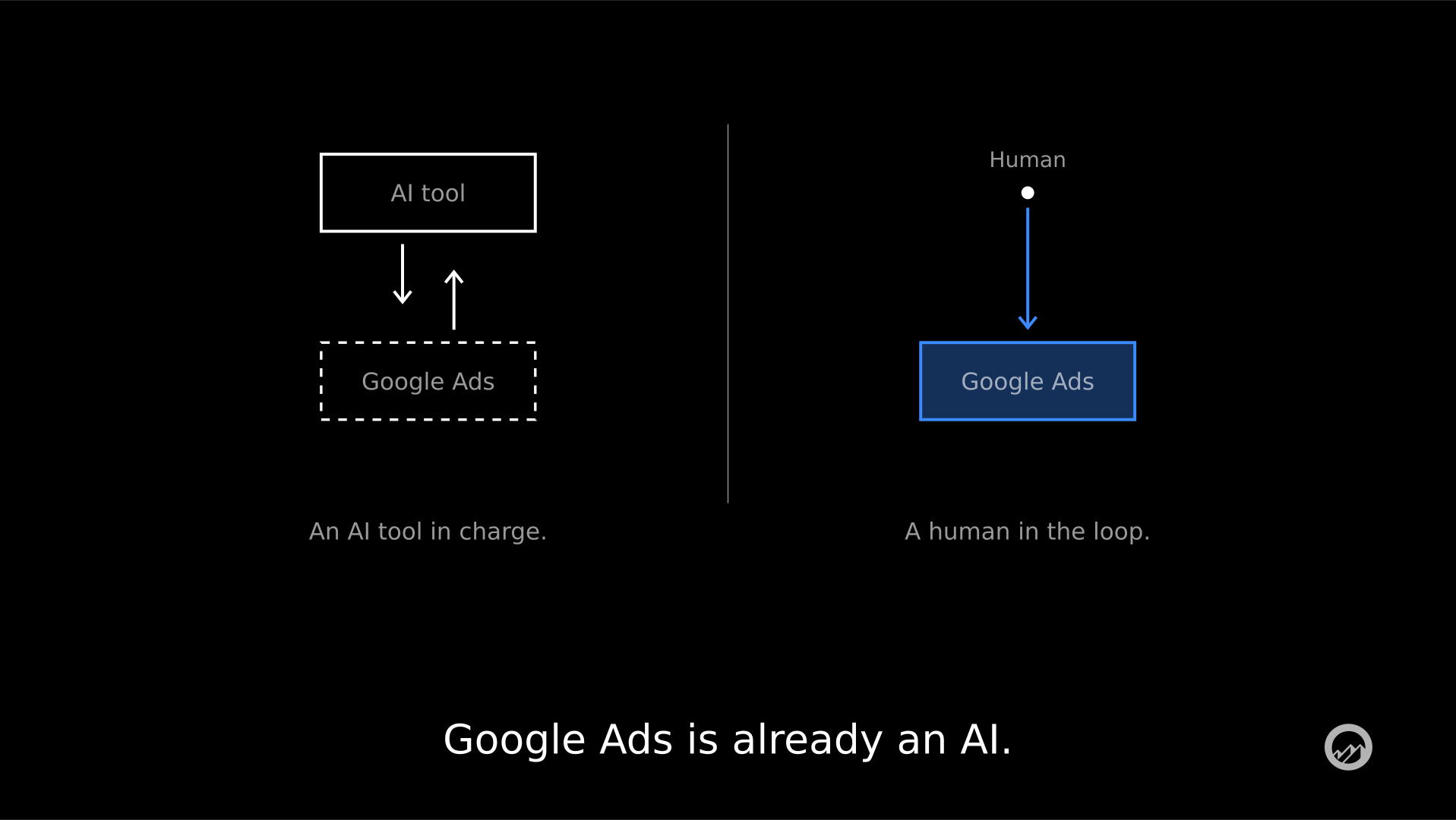
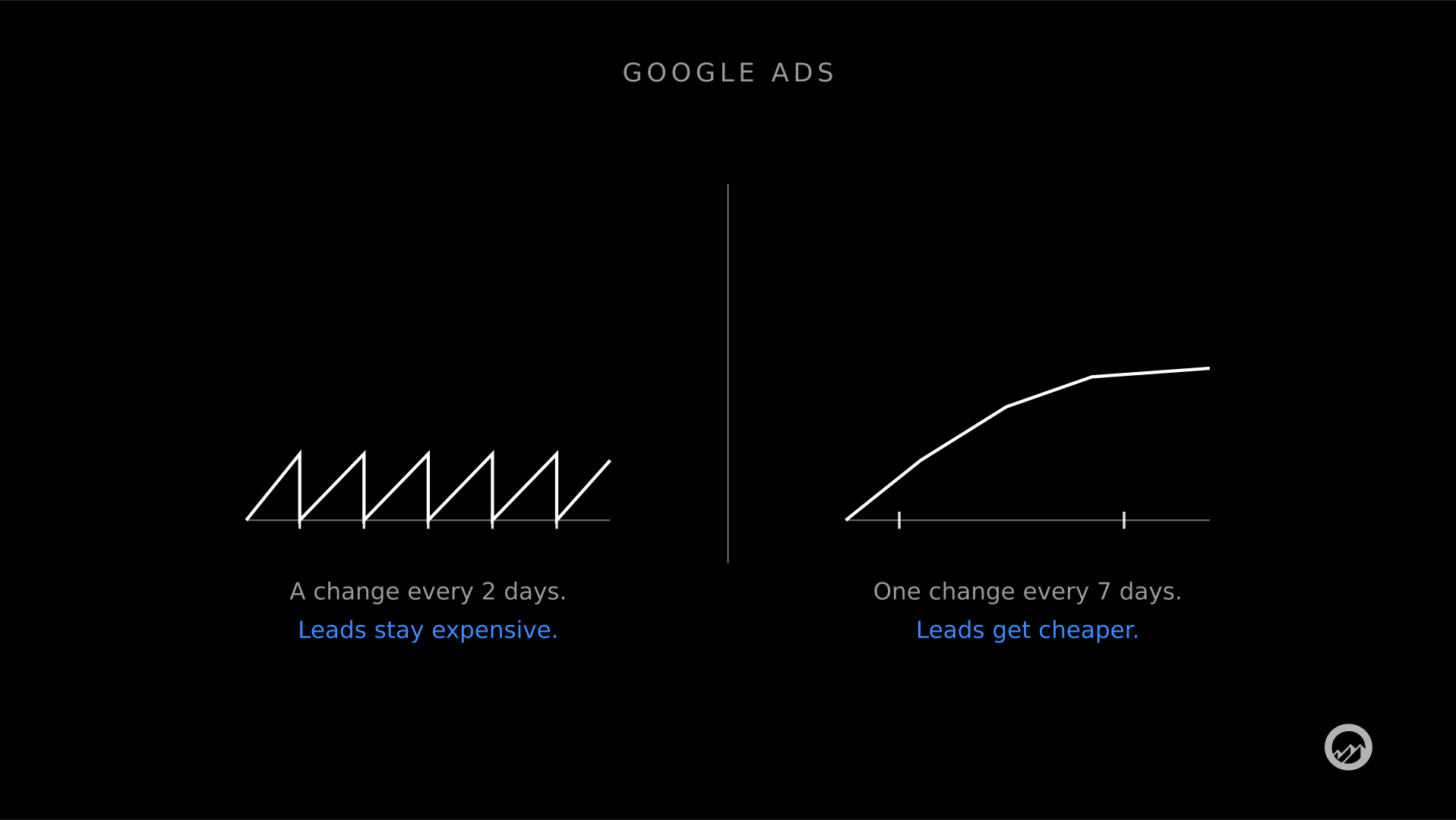
1. Automated bidding is a tool, not a strategy. Over the last three months we've watched cost per click climb across client accounts, and most of it traces back to automated bidding. Google rolled out a major conversion bidding update in August, and the rules keep shifting. AI bidding still needs tight keywords, good exclusions and a person reading the numbers every week.
2. Clients need the why, not just the what. Google's best practices change so fast that small business owners can't keep up, and they shouldn't have to. Starting now, our team is sending written weekly updates on every campaign change, in plain language.
3. Speed to lead is a habit, not a dashboard. Piping leads into Slack sounds small. It's one of the highest leverage things we do, because the business that calls back first usually wins the job. A reader replied to my post about it with a good tip: include the ad and keyword that drove the lead in the alert, so whoever calls knows what promise brought that person in. It's a good one.
4. AI agents need guardrails like any new hire. I run a small team of AI agents that help with my content, inbox and admin. This week one of them retried a booking that had already gone through. Now every agent follows one rule: before retrying anything that costs money, prove the first attempt didn't already happen. And nothing goes out under my name without me reading it first.
What we posted
On X, I shared the story of a client website redesign that looked great on launch day while organic sessions fell from 939 to 224 a month, and our plan to bring back the old design and let the data decide. I posted about automated bidding pushing up costs per click, and about routing new leads straight into Slack, which got the best response of the week. I also wrote about the AI agent that tried to book something twice and the rule that came out of it, plus a one liner on how a lot of high potential people never get anywhere because they think they're above the boring, repetitive work.
On the blog, I wrote about an economist's claim that AI has zero payoff for most companies and why I see the same pattern in Google Ads accounts every week. I also wrote about the one AI use case I think service businesses should pay for first: paid ads paired with AI text based reception and follow up.
Next week
The software company's campaigns get their first full week of data, and the branded campaign should be live. Two more client accounts are getting full rebuilds. We'll keep migrating landing pages, keep tuning our own lead funnel, and look into the drop in phone calls one client flagged even though their new text messaging setup is working well.
If your cost per click has crept up and you're not sure why, reach out. Happy to take a look.